Theatre Marketing
Theatre is sold before it is seen. The task is to give people a reason to book a seat for something they cannot preview.
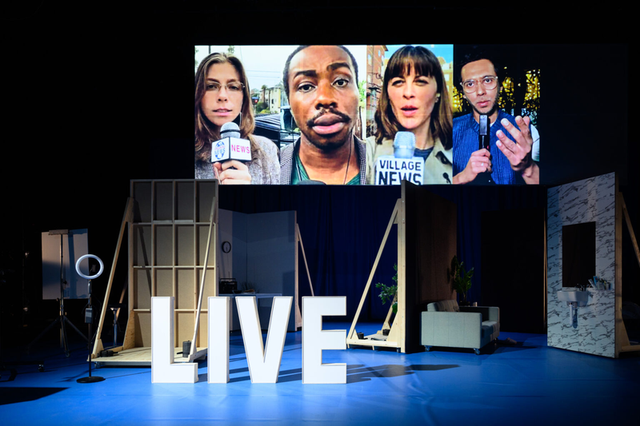
Theatre first, marketing second
Both founders of Jodbrain come from theatre. We have been the Mumbai production team for THE VILLAGE by fix+foxy, a live cinematic biopic of globalisation performed by actors in five cities, listed on our work page under Copenhagen 2025. We managed projection for the plays Asymptomatic, Thakishi Samvaad and Prasthan urf Exit, and we served as Pune city content partner for NCPA’s youth theatre festival. So we know what a production week feels like, and what can and cannot be promised.
A working sequence
- Announce with something to look at. Key art, a short teaser, the cast and the dates, all on one page that can be shared.
- Show the making. Rehearsal moments, set pieces, a director’s note. Audiences like to feel they were let in early.
- Give people a reason to book now. A limited run, a special night, a talkback. Urgency should be true.
- Make booking simple. One ticket link that works on a phone, with tracking, and a reply to every question.
- Keep going after opening. Reactions, photographs and reviews, used honestly, fill the later performances.
What to shoot in rehearsal
| Moment | Why it works | What to avoid |
|---|---|---|
| A short scene, cut to a hook | Shows the tone of the piece | Giving away the ending |
| A rehearsal detail | Gives the audience a behind-the-scenes feeling | Footage with no sound design or captions |
| A cast member speaking about a role | Creates a person to root for | A script that sounds rehearsed |
| A tech or set moment | Shows scale and craft | Unclear lighting or shaky footage |
What matters most
- One shareable page with everything: dates, venue, price and booking.
- Content that people from the production themselves want to share.
- A small paid push behind the strongest reel or announcement once you know what people respond to.
- Partnerships with schools, colleges and cultural groups that already gather your audience.
Who comes to the theatre, and how they decide
Theatre audiences often decide by trust: in the company, the director, a performer or a friend’s recommendation. Reviews and word of mouth matter more than most advertising. That is why content that shows people and process, and gets shared by the people in it, is so valuable, and why a small production with a sincere voice can compete with a larger one.
The booking page
- Dates, times, venue and running time on one page.
- A simple price structure and clear seat or entry information.
- A booking route that works on a phone.
- A contact for access questions and group bookings.
Keeping later nights full
Opening night is not the end of the campaign. Reactions, photographs and honest reviews, used with permission, give the later performances something to point at. A brief message to the people who attended asking them to spread the word often does more than another announcement.
Working with critics and reviewers
Invite reviewers early, give them the information they need and respect their independence. A review, whether or not it is glowing, is a source of credibility. Quote it accurately, credit it properly and never edit a critic’s words to change their meaning.
Say who the show is for and how to attend
- Age suitability and language.
- Whether the venue is accessible, and how to arrange support.
- Running time, interval and any content people should know about.
- How schools and groups can book together.
Where our related work sits
See how we plan content for a festival on the NCPA Connections case study, and how we make short video on reel and video production.
Talk about a production
A note on the production, the dates and the audience you hope to reach will do.
Talk about a production WhatsApp us