Impact Films and Podcasts
A film for a cause has to be honest to the people in it and useful to the people who fund it. Those two aims can pull apart, and good planning keeps them together.
Three pieces, three formats
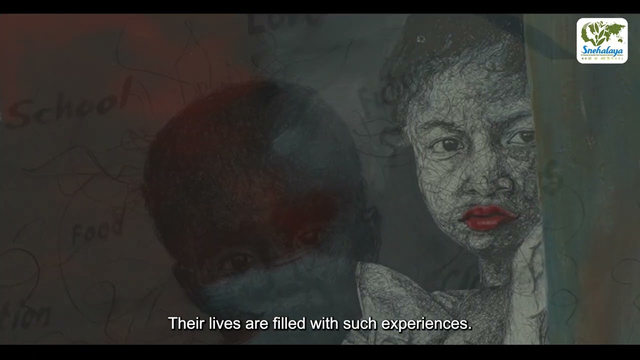
Snehalaya: Changing Lives Since 1989
Shot and edited the impact film for Snehalaya, an Ahmednagar NGO working since 1989 with women, children and LGBT communities. Full video production, for an organisation that reaches 15,000+ beneficiaries a year.
See the filmPratham InfoTech Foundation: Saving Our Oceans, Kochi
Edited an impact film on the foundation’s FLN and STEM Ocean Protection Programme.
See the filmTapas Elder Care podcast
Shot and edited the podcast, including the episode What is Dementia?
See the episodeRK Laxman Foundation
Audio-visual documentation for 1200+ school students under a CSR activity.
See the projectQuestions we ask before anyone films anything
- Who is the film for: donors, partners, volunteers, the public? The same story is told differently for each.
- What should the viewer do after watching, and where will they do it?
- Who will appear on camera, who has consented, and what are they comfortable with?
- Where will it live: a website, an event screen, social media, a funder report? That decides length and format.
Filming people with care
Beneficiaries are not props. Consent should be clear, informed and reversible where possible, and children need a guardian’s permission. This is how we would handle it: plan consent before the shoot day, agree what will and will not be shown, and give the organisation a chance to review sensitive material before release. Cause-led storytelling depends on trust, and one careless frame can end a relationship that took years to build.
What we produce
- Shooting and direction, where the project needs it.
- Editing, sound and captions, including short cuts for social media.
- A version for each place the film will be seen, not one file sent everywhere.
Choosing a story shape
| Shape | Suits | Watch for |
|---|---|---|
| A single person’s journey | Making a big problem human and specific | Consent and privacy, and not turning someone into a symbol |
| A day in the life of a programme | Showing what the organisation actually does | A list of activities with no emotion |
| A conversation or interview | Explaining an issue in depth, as in a podcast | Long stretches with no visual variety |
Getting good material from people who are not used to cameras
Most people speak better when the interview feels like a conversation. Keep the crew small, ask open questions, allow silence, and record at a place where the person is comfortable. Explain how the material will be used and let them see it before it is public where that is appropriate. The result is more honest and it protects the relationship.
Music, images and archives
Music and third-party images need permission. Confirm rights before editing, not after, because replacing a track later changes the feel of a film. If the organisation has archive footage, check who filmed it and what was agreed.
What success looks like
For an impact film, useful measures include where it was shown, who saw it, what action followed (a donation, a volunteer form, a partnership enquiry) and what the people who saw it said. Views alone are a weak measure. A film watched by twenty people who then funded a programme has done more than one with thousands of passive views.
Podcast production, in practice
A podcast episode for a care or cause organisation works best when the topic is one that people truly ask about, as with the What is Dementia? episode of the Tapas Elder Care podcast. Plan the questions in advance, keep the guest at ease, record clear sound and edit to keep the pace without cutting the humanity out of it. If you publish video, plan the framing and lighting as well as the audio.
How long should the piece be?
| Where it will be seen | A sensible length range |
|---|---|
| Social media | Under a minute for the cutdown, a few minutes for the fuller piece |
| A funder report or presentation | Two to five minutes |
| A screening or event | As long as the story needs, with a plan for discussion |
Making it travel
A film that sits unseen helps nobody. We plan short reels from the main piece, suggest where each will be shared, and connect the viewing to an action, whether that is a donation page, a volunteer form or an event. See how we plan social content.
Talk about a film
Describe the organisation, the audience for the film and where it will be shown.
Talk about a film WhatsApp us